A healthy diet and regular exercise don’t always change every area of body fat the way you want. Some people have small, localised pockets of fat around the abdomen or other areas that remain noticeable even when they maintain a stable weight.
Aqualyx is a non-surgical treatment used for localised fat reduction. However, before deciding whether it is right for you, it’s important to understand what the treatment can realistically achieve, who it may suit, and its limitations.
What Is Aqualyx?
Aqualyx is an injectable product used for localised body contouring. It is intended to address specific areas of localised fat rather than provide general weight loss. The manufacturer describes Aqualyx as a non-surgical body-contouring treatment. [1]
It should therefore be considered as a treatment for a specific area of unwanted fullness, rather than an alternative to weight loss through nutrition, physical activity or medically supervised weight-management treatment. See Here: Aqualyx for Muffin Tops: What to Know Before Fat-Dissolving Injections
The regulatory status, permitted use and product information for any injectable treatment should always be checked against the current product documentation and applicable UK requirements. Claims that Aqualyx is FDA-approved should not be made unless they can be specifically substantiated.
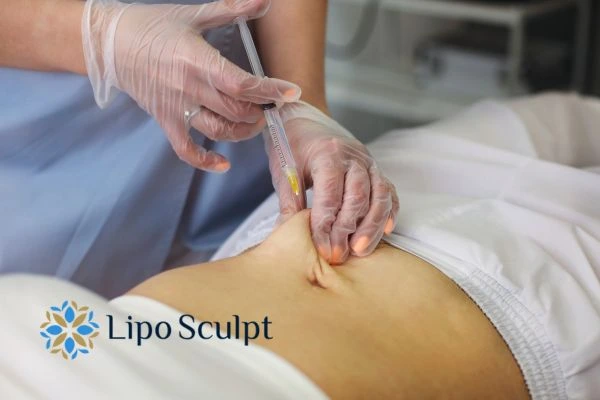
Can Aqualyx Reduce Stubborn Belly Fat?
Aqualyx may be considered following an appropriate assessment when the concern is a relatively small, localised pocket of subcutaneous fat beneath the skin.
It is not intended to treat obesity or produce substantial overall weight loss.
This distinction matters because abdominal fullness does not always have the same cause. It can be influenced by overall body fat, skin laxity, muscle separation, bloating, posture and other factors. In some circumstances, abdominal enlargement may have a medical cause and should be assessed by an appropriate healthcare professional rather than treated as a cosmetic fat problem.
A consultation Witney should therefore look at the area itself rather than assuming every protruding abdomen is suitable for fat-dissolving treatment.
How Does Aqualyx Work?
Aqualyx contains a compound from the deoxycholate family. Deoxycholate has detergent-like properties that can disrupt cell membranes. When used in adipose tissue, this can contribute to adipocyte damage and cell breakdown. [3]
However, evidence for deoxycholate-based injectable treatments varies according to the specific product, treatment area and indication. Research involving other deoxycholic-acid products, particularly for submental fat, should not automatically be interpreted as evidence that Aqualyx will produce the same results when used on abdominal fat.
Research has also investigated deoxycholate-based injection treatments for other body areas, including the abdomen and thighs, but the available evidence varies in size and quality. Results from these studies should therefore not be interpreted as a guarantee of the outcome for an individual patient. [3][4]
This is why appropriate patient selection, product use and injection technique are important considerations.
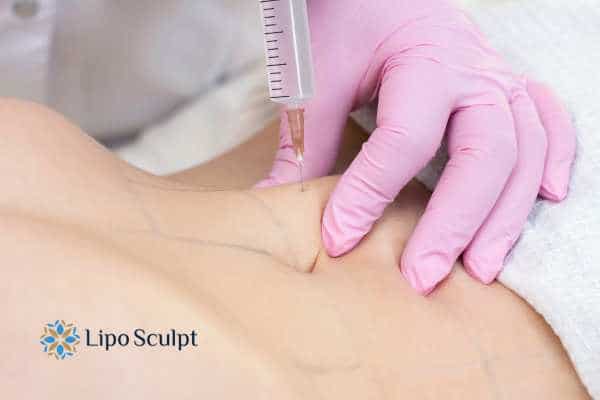
Who May Be Suitable for Aqualyx?
Aqualyx may be considered for an adult with a localised pocket of fat and realistic expectations about gradual cosmetic improvement.
A consultation Witney is particularly important if you have:
- significant skin laxity
- previous surgery or treatment in the area
- scarring or altered tissue
- an underlying medical condition
- medication that may affect bleeding or healing
- an active skin problem in the proposed treatment area
- concerns that the abdominal fullness may have a medical rather than cosmetic cause.
Pregnancy and breastfeeding may be reasons to postpone elective injectable cosmetic treatment. Suitability should be assessed by an appropriately qualified practitioner using the product’s current instructions and the individual’s medical history.
What Happens During an Aqualyx Treatment?
The treatment starts with an assessment of the area and a discussion about your expectations. The practitioner should explain the proposed treatment, expected benefits, possible complications, and alternatives before treatment takes place.
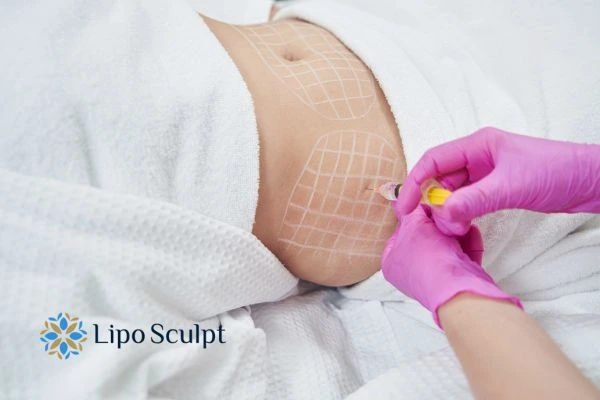
Where treatment is considered appropriate, the practitioner will administer the product to the selected area using a technique appropriate to the treatment plan and the product’s instructions.
The exact treatment time, number of injections, and number of sessions depend on the size and characteristics of the area being treated. It would be misleading to promise that everyone needs a particular number of sessions.

What Can You Expect After Treatment?
Swelling, redness, tenderness, bruising, and temporary firmness can occur after injectable fat-reduction treatments. Research involving deoxycholic-acid injection treatments has reported local reactions such as swelling, tenderness and altered sensation. These effects can differ from person to person, depending on the product used, the area treated and how an individual responds to treatment. [5]
You should not judge the final cosmetic result immediately after treatment because early swelling can temporarily make the area look different.
Changes develop gradually, and further treatment may sometimes be considered following assessment of the response to the previous session.
Your practitioner should explain the expected recovery period and provide appropriate aftercare instructions.
What Are the Risks and Side Effects?
No injectable cosmetic procedure is completely risk-free.
Alongside temporary swelling, bruising, tenderness and inflammation, injection lipolysis can carry more significant risks. Published reports have described complications associated with deoxycholate-based injection treatments, including persistent nodules, infection, contour irregularities and skin injury. The risk of complications may be influenced by factors including product use, patient selection and injection technique. [6]
This makes practitioner training, product authenticity, appropriate patient selection and correct injection technique important safety considerations. See Our Fat Dissolving Injection Prices Here
If you develop severe or worsening pain, spreading redness, significant skin colour changes, discharge, fever or other unexpected symptoms after treatment, seek appropriate medical advice promptly.
The NHS also recommends researching cosmetic procedures carefully, checking the practitioner’s training and experience, and asking about risks, aftercare and what happens if a complication occurs. [7]
Aqualyx vs Weight Loss and Liposuction
Aqualyx should not be confused with a weight-loss treatment. Its purpose is targeted body contouring.
Liposuction is a surgical procedure that removes fat directly, whereas cryolipolysis aims to reduce localised fat without surgery. Aqualyx should not be presented as providing an equivalent outcome to liposuction. Liposuction removes fat surgically, whereas Aqualyx involves injections aimed at treating smaller areas of localised fat.
Other non-surgical body-contouring options may also be available. The most appropriate option depends on the amount and location of fat, skin quality, your medical history and the outcome you want.
Questions to Ask Before Having Aqualyx
Before proceeding, consider asking:
- Is the fullness in my abdomen actually suitable for Aqualyx?
- Which Aqualyx product will be used?
- What evidence supports its use for this particular treatment area?
- What results are realistic in my case?
- How many treatments might I need?
- What side effects and complications should I know about?
- What happens if I develop a complication?
- What alternatives could be more appropriate for me?
A reputable consultation Witney should give you enough information to make an informed decision rather than pressure you into treatment.
Frequently asked questions
Q: Can Aqualyx help you lose weight?
No. Aqualyx is a localised fat-reduction treatment intended to alter the appearance of specific areas, rather than reduce overall body weight.
Q: How quickly will I see results?
Visible changes may develop gradually, and the timing and extent of any change can vary between individuals. Swelling, redness or other temporary effects shortly after treatment may also affect the appearance of the area. The early appearance should therefore not be considered the final result.
Q: Is Aqualyx suitable for everyone?
Not necessarily. Whether Aqualyx is appropriate will depend on your health, the area you want treated, the type of tissue in that area, and what you hope to achieve. Treatment may not be recommended during pregnancy or breastfeeding, or if you have certain medical or skin conditions.
Q: Is Aqualyx the same as liposuction?
No. Liposuction is surgery and physically removes fat. Aqualyx is a non-surgical injectable approach to localised fat reduction and should not be expected to produce the same degree of change.
Q: Can Aqualyx treat a large amount of abdominal fat?
It is not intended as a treatment for generalised excess body fat or obesity. It is more appropriate to consider whether there is a defined, localised area suitable for body contouring.
Q: Are there risks with fat-dissolving injections?
Yes. Temporary swelling, bruising, tenderness and inflammation can occur, while more significant complications are possible. Correct product use, patient selection, and injection technique are important.
Q: Should I have a consultation first?
Yes. A consultation Witney allows the practitioner to assess whether the area is suitable, discuss realistic outcomes, explain risks, and consider alternative treatments.
References & Further Reading
[1] Marllor Biomedical — Aqualyx Cosmetic. Manufacturer information describing Aqualyx and its body-contouring use. Marllor Biomedical – Aqualyx Cosmetic
[2] U.S. Food and Drug Administration — Using Fat-Dissolving Injections That Are Not FDA Approved Can Be Harmful. Supports the statement regarding the FDA and unapproved fat-dissolving injections. FDA guidance on fat-dissolving injections
[3] Duncan DI et al. — Injection Adipocytolysis with ATX-101 (Deoxycholic Acid) for Body Contouring. Plastic and Reconstructive Surgery Global Open. Discusses deoxycholic acid injection and the limitations of evidence for non-submental body contouring. Research article – PMC
[4] Zaleska M et al. — The efficacy of high-frequency ultrasound-guided injection lipolysis in reducing fat deposits located on the inside of the knees. Published research examining a deoxycholic-acid formulation for localised body fat. Research article – PubMed
[5] Shridharani SM — Early Experience in 100 Consecutive Patients With Injection Adipocytolysis for Neck Contouring With ATX-101. Dermatologic Surgery, 2017. Provides evidence about expected local reactions and adverse events associated with deoxycholic acid injections. Research article – PubMed
[6] Chronic Infection and Nodule Formation following Deoxycholate Injection. Case report describing complications following deoxycholate-based injection treatment. Research article – PubMed
[7] NHS — Choosing who will do your cosmetic procedure. Supports advice about practitioner qualifications, consultation, risks, aftercare and complications. NHS cosmetic procedure guidance
For more information, please call us on 03300101799.