Changing your body does not necessarily mean following a strict diet or spending hours in the gym. For many people, a more realistic approach is to build eating and activity habits you can maintain over time, while understanding what nutrition can—and cannot—change.
It is also worth separating weight loss from body contouring. Losing body fat through lifestyle changes and treating a specific area of localised fat or loose skin are not the same thing.
This guide explains where diet fits into body transformation and where non-surgical aesthetic treatments may sometimes be considered.
What Does Body Transformation Actually Mean?
“Body transformation” can mean different things to different people.
For one person, it may mean gradually losing excess body weight. For another, it may mean improving fitness, building muscle or feeling more comfortable in their clothes. Someone who has already lost weight may instead be concerned about a small area of localised fat or skin laxity.
No single diet or treatment produces the same outcome for everyone.
A sensible starting point is therefore to define the change you actually want to make rather than choosing a diet because it is currently popular.

Can Diet Help Change Your Body Shape?
What you eat can make a real difference to your weight and body composition. But there’s no one diet that works for everyone. The right approach depends on your body, lifestyle, preferences and what you can realistically stick to.
NHS guidance emphasises that successful weight management involves finding an approach that reduces energy intake appropriately while remaining healthy and practical enough to follow in everyday life.[1]
For some people, this may involve reducing portion sizes. For others, it may mean eating more vegetables and fibre, choosing appropriate protein sources, reducing high-calorie snacks or making changes to drinks and alcohol.
The important point is sustainability.
Very strict diets can be difficult to stick to. Making small, gradual changes that fit into your everyday routine is often a more realistic way to build healthy habits that last.
Protein, fibre and whole foods
A balanced diet should provide a range of nutrients rather than focusing on one “superfood”.
Vegetables, fruit, wholegrains, pulses, dairy or suitable alternatives, and protein-rich foods can all fit into a balanced eating pattern. Getting enough protein can help your muscles stay strong and support muscle growth, especially if you’re exercising regularly.
There is no need to label every food as “good” or “bad”. The overall eating pattern matters more than any single meal.
Portion size and overall energy intake
Even nutritious foods contain energy. If someone consistently consumes more energy than their body uses, they may gain weight.
This is why simply switching to foods labelled “healthy” does not automatically lead to weight loss. Portion sizes, drinks, snacks and overall eating habits still matter.
NICE recommends an individualised approach to dietary interventions that considers nutritional balance, personal circumstances, food preferences, and relevant health conditions.[2]
Diet and Exercise Work Differently
Exercise should not be viewed simply as a way of “burning off” food.
Regular physical activity offers broader health benefits and can support strength, fitness, and muscle maintenance. Strength training can be particularly useful when the goal includes improving muscle development alongside changes in body fat.
The most appropriate activity depends on your current fitness, health, preferences and goals.
If you have a medical condition, have had an eating disorder, or have specific dietary requirements, professional advice may be appropriate before making significant changes to your diet.[1]
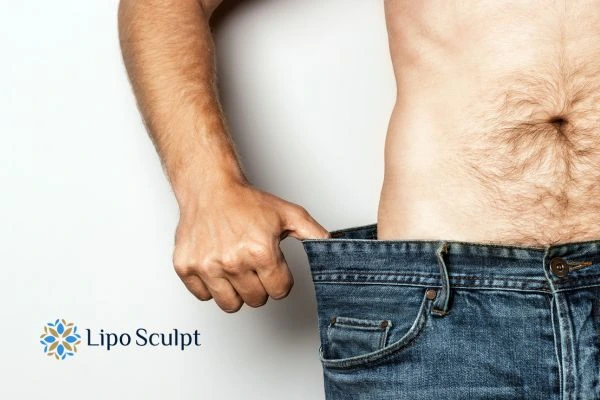
When Weight Loss Isn’t the Same as Body Contouring
This distinction is particularly important.
Diet and exercise can help reduce overall body weight and body fat, but they can’t precisely determine where the body loses fat first.
Someone may therefore reach a stable weight and still feel that a particular area — such as the abdomen, thighs or chin — does not look as they expected.
That does not necessarily mean they need to lose more weight.
In some circumstances, the concern may be better described as localised fat or skin laxity, which is where non-surgical body-contouring treatments may be considered.
Where Non-Surgical Body Contouring May Fit
Non-surgical treatments should not be presented as substitutes for a healthy diet or as general weight-loss solutions.
The information on this page is for general information only and does not replace medical advice or an individual clinical assessment.
Their purpose is usually more specific: addressing selected cosmetic concerns in suitable individuals.
Cryolipolysis (fat freezing)
Fat freezing, also known as cryolipolysis, is a treatment that uses cooling to target fat cells under the skin. It’s usually used on smaller areas where small areas of localised fat may remain despite healthy lifestyle habits, even with a healthy diet and regular exercise. It’s worth knowing that fat freezing is for body contouring, not for losing weight.
Research suggests that cryolipolysis can help reduce localised areas of fat, although the results can differ from person to person and may depend on the area being treated.
It is also important to understand that “non-surgical” does not mean risk-free. Temporary effects such as numbness, redness, swelling, bruising and discomfort have been reported. Rare complications, including paradoxical adipose hyperplasia, have also been documented.[5]
Muscle stimulation treatments
High-intensity focused electromagnetic treatments are designed to produce strong muscle contractions. Research has investigated their potential role in non-invasive body contouring and changes in muscle and fat measurements.[6]
However, results depend on the technology, treatment protocol and individual. Claims comparing a treatment session directly with thousands of gym exercises should therefore be treated cautiously.
HIFU and skin laxity
HIFU is also used for people who are concerned about loose or less firm-looking skin. Research has looked at whether it can improve skin tightness and overall appearance. A 2025 systematic review reported positive findings for HIFU in skin tightening and body contouring, although treatment protocols varied and further research is needed.
HIFU should not be described as a replacement for surgical lifting procedures. The degree of improvement depends on factors including the area treated, skin characteristics and the amount of laxity present.
Fat-dissolving injections
Injectable fat-reduction treatments require particularly careful assessment because different products have different ingredients, indications, evidence and regulatory status.
For example, Clinical evidence for deoxycholic acid is particularly established for reducing submental fat under the chin, and this evidence should not automatically be assumed to apply to other body areas or products.[8]
Before treatment, ask exactly what product is being used, what it is intended to treat, whether it is appropriate for the proposed area, and what risks apply.

What Non-Surgical Treatments Cannot Do
A responsible consultation should also explain what a treatment is not designed to do.
Non-surgical body contouring is not an obesity treatment, and it should not be promoted as a replacement for nutritional support, physical activity or appropriate medical care.
It also cannot guarantee a particular body shape.
The aim is usually to address a specific aesthetic concern, and results depend on factors such as anatomy, starting point, skin quality, treatment area, and individual response.
Safety, Suitability and Realistic Expectations
Before considering treatment, a proper consultation should confirm whether it’s appropriate for you.
You should be able to ask:
- What exactly is this treatment designed to change?
- Am I suitable for it?
- What result is realistically achievable?
- What are the common side effects?
- Are there uncommon but more serious risks?
- Are there medical conditions or medicines that could affect suitability?
- How long might results take to become apparent?
- Are further sessions normally considered?
- What alternatives are available?
If your concern involves unexplained weight change, significant swelling, pain, a new lump, or another physical symptom rather than a straightforward cosmetic concern, seek medical advice rather than assuming an aesthetic treatment is appropriate.
Summary
A realistic body-transformation plan starts with the basics: balanced nutrition, appropriate activity and expectations that match what your body can realistically achieve.
If, after making those changes, you remain concerned about a specific area of localised fat, muscle definition or skin laxity, non-surgical aesthetic treatments may be worth discussing — provided you receive an honest assessment of suitability, limitations and risks.
The goal should not be to promise a perfect transformation. It should be to understand what can realistically be improved and choose an approach that is appropriate for you.

Frequently Asked Questions
Q: Can I transform my body through diet alone?
Diet can make a big difference to your weight and body shape, but it’s not the whole picture. Your results can also depend on where you’re starting from, what you eat, how active you are and your individual needs.
Q: Is there one diet that is best for body transformation?
No. NICE recommends an individualised approach rather than assuming one diet works for everyone.[2]
Q: Can diet remove fat from one specific area?
Not reliably. Overall changes in body fat don’t let you choose exactly where fat is lost first.
Q: Are body-contouring treatments weight-loss treatments?
Generally, no. They are intended to address specific aesthetic concerns such as localised fat, muscle definition or skin laxity rather than replace weight-management strategies.
Q: Is non-surgical body contouring risk-free?
No. Non-surgical procedures can still have side effects and complications. Your practitioner should explain the relevant risks before treatment.[5]
Q: How do I know which treatment is right for me?
The right option depends on what you want to change. A consultation should assess the area, your expectations, suitability and available alternatives rather than starting with a particular treatment.
Q: Should I lose weight before considering body contouring?
It depends on your circumstances and goals. Body contouring is generally more relevant to localised cosmetic concerns than general weight loss, so discuss this during an individual assessment.
References & Further Reading
[1] NHS — Healthy eating when trying to lose weight. NHS resource
[2] NICE — Physical activity and diet: Overweight and obesity management. NICE guidance
[3] FDA — Non-Invasive Body Contouring Technologies. FDA resource
[4] PubMed — Application of cryolipolysis in adipose tissue. PubMed research
[5] PubMed — Adverse Events Associated With Cryolipolysis. PubMed research
[6] PubMed — HIFEM for Noninvasive Body Contouring: Systematic Review. PubMed research
[7] PubMed — HIFU in Skin Tightening and Body Contouring. PubMed research
[8] PubMed — Injectable Deoxycholic Acid for Submental Fat Reduction. PubMed research
[9] ASA/CAP — Cosmetic Interventions: Non-Surgical Procedures. ASA/CAP guidance
For more information, please call us on 03300101799.